Why Garage Door Spring Maintenance is Essential
The garage door is one of the largest moving parts in your home, and its springs play a crucial role in its operation. Neglecting spring maintenance can lead to malfunction, safety hazards, and costly repair bills. In this guide, we’ll cover everything you need to know about maintaining your garage door springs effectively, especially for homeowners in Greenwich, CT.
Understanding Garage Door Springs
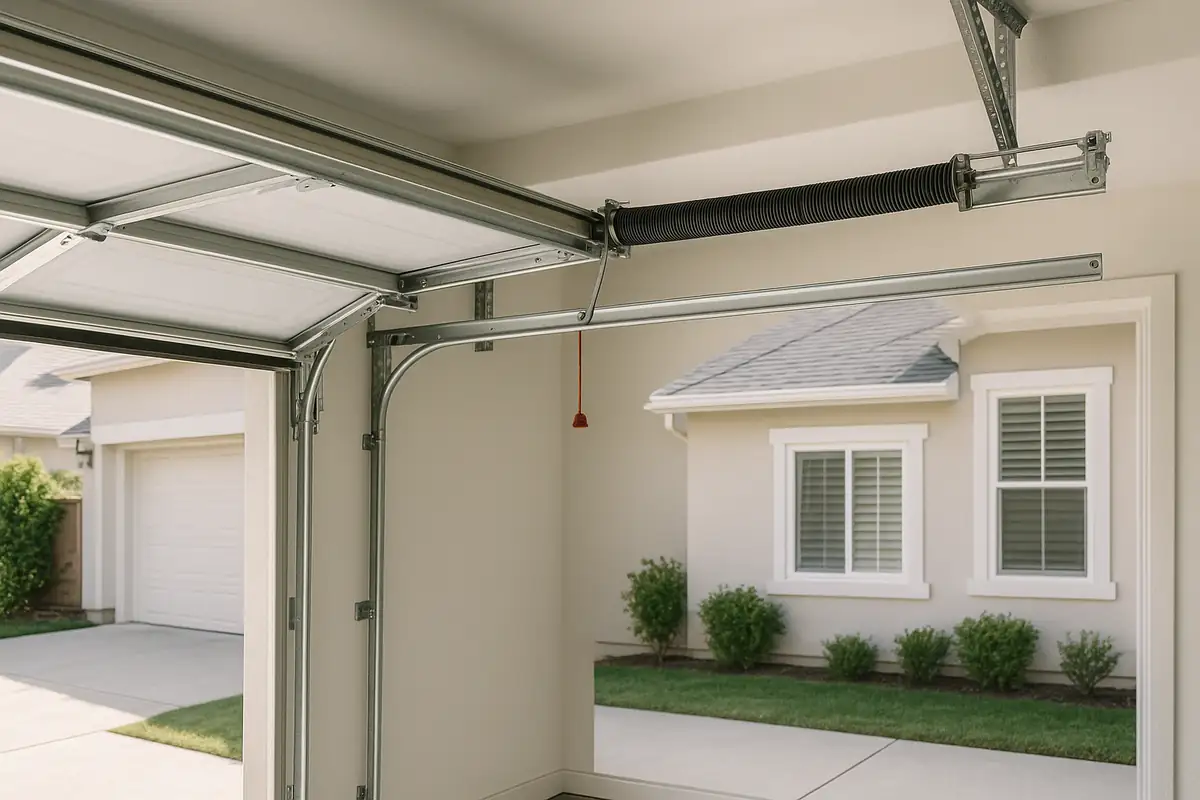
Garage doors typically use one of two types of springs: extension springs and torsion springs.
Extension Springs
These springs are located on either side of the door, stretching and contracting as the door moves. They are commonly found on lightweight door systems.
Torsion Springs
Torsion springs are located above the closed garage door and are more commonly used in heavier doors. They lift the door by winding and unwinding as the door opens and closes.
Signs Your Garage Door Springs Need Maintenance
Regular inspection of your garage door springs is vital. Look for the following signs indicating that your springs may need maintenance or replacement:
- Unusual noises when opening or closing the door
- The garage door opens or closes unevenly
- The door requires extra force to operate
- You notice visible wear or rust on the springs
- The door reverses before hitting the ground
Regular Maintenance Tips
Here are some practical maintenance tips that Greenwich, CT homeowners can follow to keep their garage door springs in top shape:
1. Inspect Springs Periodically
Perform a visual inspection at least once a month. Look for signs of wear or damage, and ensure they are properly lubricated.
2. Lubricate the Springs
Use silicone-based spray or lithium grease to lubricate the springs. This can help prevent rust and reduce friction, prolonging their lifespan.
3. Test Automatic Reverse Feature
The automatic reverse feature is a safety mechanism that prevents the door from closing on objects or people. Test it regularly by placing an object (such as a small piece of wood) under the door while it closes. The door should reverse as soon as it makes contact.
4. Check Door Balance
A well-balanced door is less strain on your springs. To check balance, disconnect the opener by pulling the release handle and manually lift the door halfway. If it doesn’t stay in place, the springs may need adjusting or replacing.
When to Call a Professional
While some maintenance tasks can be handled by homeowners, certain situations call for professional intervention:
- Visible damage to the springs
- Difficulty in opening or closing the door
- Persistent noise even after lubrication
- Presence of rust or other corrosion
Choosing a Garage Door Repair Service in Greenwich, CT
When seeking professional help, consider the following:
- Check their experience and credentials.
- Look for customer reviews and testimonials.
- Inquire about warranties and guarantees for their work.
- Get a detailed quote before proceeding.
Statistics on Garage Door Spring Maintenance
According to a recent industry report, proper maintenance can extend the lifespan of garage door springs by up to 50%. Additionally, nearly 30% of garage door-related injuries are due to malfunctioning springs, underscoring the importance of regular upkeep.
Final Thoughts and Recommendations
Maintaining your garage door springs is not just about functionality; it’s also about safety. By following the tips outlined in this guide, homeowners in Greenwich, CT can ensure their garage doors operate smoothly and safely for years to come. If you’re facing issues beyond basic maintenance or need a professional inspection, don’t hesitate to reach out to an experienced garage door repair service in Greenwich, CT.
Ready to schedule your garage door repair or maintenance? Contact us today for expert services tailored to your needs!
Explore More Resources
Related Articles
Service Areas
We proudly serve Greenwich, Glenville, Byram, Mianus, Port Chester and more areas.
Our Services
Professional garage door repair, spring repair, opener installation and more. View all services →